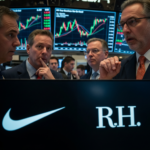
The Wall Street is facing pressure due to rising oil prices and negative market developments following quarterly earnings reports. The WTI oil price has reached $100, significantly influencing various sectors, with the Dow Jones showing a rise of approximately 7% compared to the previous day.
TLDR:
– Rising oil prices at $100 per barrel.
– Dow Jones up 7%.
– Weak performance from Dollar General, UI Path, and Netcope despite good quarterly results.
– Petco benefited from quarterly results.
– Concerns over the Iran situation affecting the oil market.
– Private Credit Funds face withdrawal requests, reminiscent of the 2008 crisis.
– Airline industry struggling with rising fuel costs.
The rise in oil prices is a significant factor impacting market dynamics. The current WTI oil price at $100 raises concerns among investors as analysts are downgrading economic growth forecasts and reporting turbulence in the private credit funds sector.
In terms of specific companies, both Dollar General and UI Path reported favorable quarterly figures yet saw their stock prices decline. Similarly, Netcope’s revenue missed estimates by $6 million (originally estimated at $873 million), resulting in a substantial price drop. These instances highlight the challenging market environment that can overshadow positive earnings results.
Conversely, Petco managed to benefit from its quarterly numbers, indicating some variances in investor reactions based on sector performance.
The situation in Iran is adding to the anxiety in the oil market, with insider information suggesting delays in the recovery of tanker traffic, potentially stretching from 10 to 21 days. As the White House becomes increasingly concerned ahead of the midterm elections, this uncertainty raises risk premiums in the oil market.
The private credit funds market, which is valued at $1.5 trillion, is currently experiencing withdrawal requests and restrictions on redemptions, paralleling conditions during the subprime crisis of 2008. Such developments could lead to excessive sell-offs in the market.
Moreover, the aviation industry is confronted with rising fuel costs that have surged by 50% compared to January. The first quarter’s fuel costs have increased by 14%, while second quarter costs are projected to rise by 30%. Analysts are voicing warnings regarding the escalating costs for key airlines like Delta Air, American Air, Southwest Air, and United Airlines.
Lastly, notable announcements from corporations such as Atlasen and Oracle about layoffs, primarily driven by a focus on efficiency improvements through AI, reflect broader trends impacting employment and operational strategies in the market.